
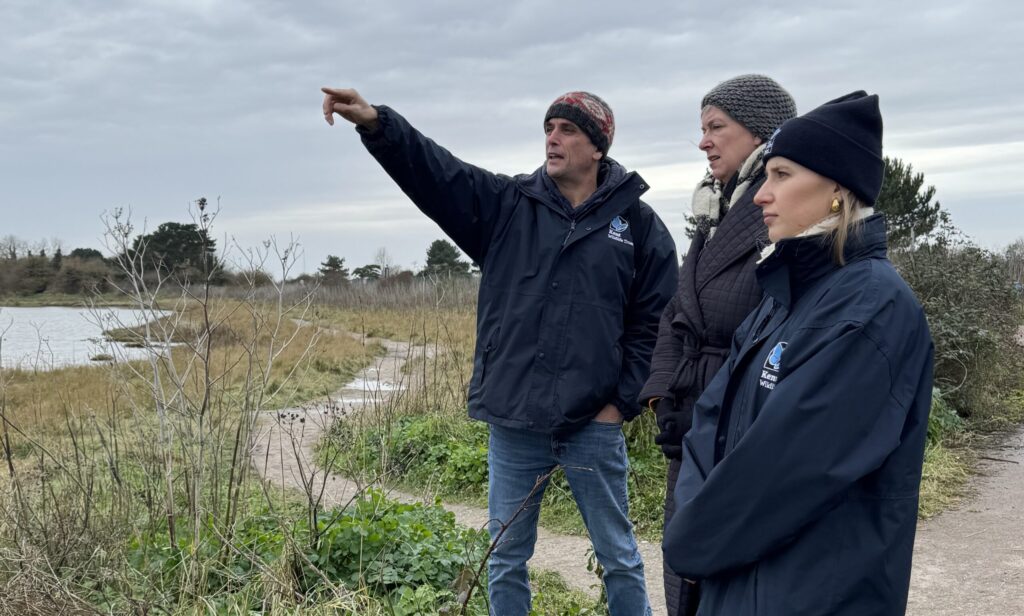
Thanks to everyone who has contacted me about the plans by National Grid to run cables through Pegwell Bay and to build a new converter station on Minster Marshes. I share your concern about these plans and believe National Grid needs to think again.
I have spent my career working to ensure that the UK plays its role in tackling climate change, so I know the importance of building the infrastructure we need to make the transition to clean, renewable energy. I recognise that when it comes to building that infrastructure, there will have to be compromises, and having spoken to many constituents over the past year, I know that most residents in East Thanet understand that too.
Nevertheless, I am concerned about the potential for this project to cause irreversible damage to nature in Pegwell Bay and Minster Marshes. The bay is home to Kent’s largest population of seals, while the marshes provide a vital habitat for a variety of protected species, such as the golden plover, beavers, and water vole. This is a vital wildlife corridor and nationally important ecosystem that we risk disrupting at our peril. It is right that Thanet District Council refused permission to National Grid to access the national nature reserve for this project.
With that in mind, I have listened carefully to the concerns of constituents, and I have looked carefully at the evidence presented to me by National Grid, concerned wildlife charities, and energy industry experts. The conclusion I have reached is that this project should not be going ahead in its present form.
I have met with relevant Ministers to make this case and raise the concerns of constituents such as yourself around National Grid’s actions, and rest assured I will continue to raise this at every opportunity.
However, National Grid is not a branch of government, as many people assume, but instead is a private company, and the truth is that they are choosing to run the Sealink Cable through Minster Marshes because – when presented with five options – this option was the cheapest. But while National Grid’s bottom line might be their overriding concern, residents in Thanet want assurances that protecting our precious natural heritage is also being taken into consideration.
A public consultation on this project closed in August, and I will continue to urge National Grid to look carefully at the concerns that have been raised by local residents, and to act on them. There is still time for National Grid to reconsider these plans and look again at the alternatives, something I have made clear to them in the meetings I have held with them since becoming an MP.
And in the long run, I think there needs to be a larger conversation about how we can deliver all big infrastructure projects like this one in a way that also preserves nature and protects biodiversity. That is something I have raised repeatedly in parliament since I became an MP, and I will continue to call for action in this area in the coming years.
This Labour government was elected on a platform to restore nature as well as make the UK a clean energy superpower. National Grid needs to adjust its plans to facilitate those ambitions.
Please rest assured that I will continue to engage closely with wildlife charities, community groups and National Grid to ensure that building the nationally important infrastructure intended to protect our precious environment doesn’t instead end up causing it permanent damage.